State Courses
Security Training in Detroit: Get Your Michigan Guard Card Online
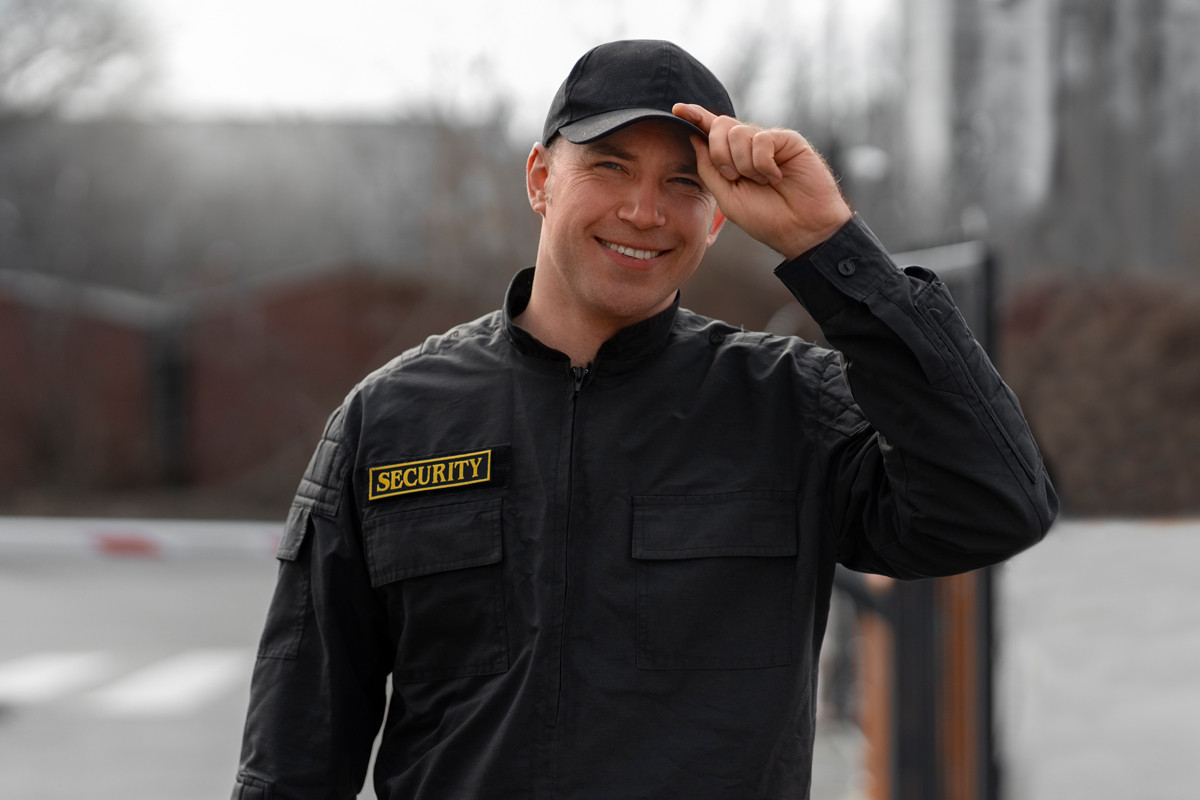
Detroit never really slows down, which is exactly why trained security professionals stay in demand year-round. Between the casino floor, busy nightlife districts, corporate offices, hospitals, and major event venues, employers need guards who can stay calm, communicate clearly, and make solid decisions when situations change fast. Security training courses in Detroit are not just a checkbox for getting hired, since the right training helps you stand out when you apply and helps you feel prepared on your first day on post. Top Gun Security Academy delivers online training built around Michigan requirements and real-world expectations, so you can move toward your guard card with confidence from anywhere in the city. Training stays aligned with state regulations, while the course experience stays simple, flexible, and job-focused for Detroit students who want momentum, not delays.
Getting hired in security often comes down to one thing: looking ready before you ever walk into the interview. This bundle is designed for Detroit students who want a clean, professional training path that covers the essentials while sharpening judgment and communication under pressure. Each course is structured to keep the learning practical, with scenarios that reflect what guards actually face at entrances, patrol routes, lobbies, and event checkpoints. Completing the bundle gives you a stronger foundation than taking a single course, especially if you are applying to higher-visibility posts where professionalism and decision-making get noticed fast.
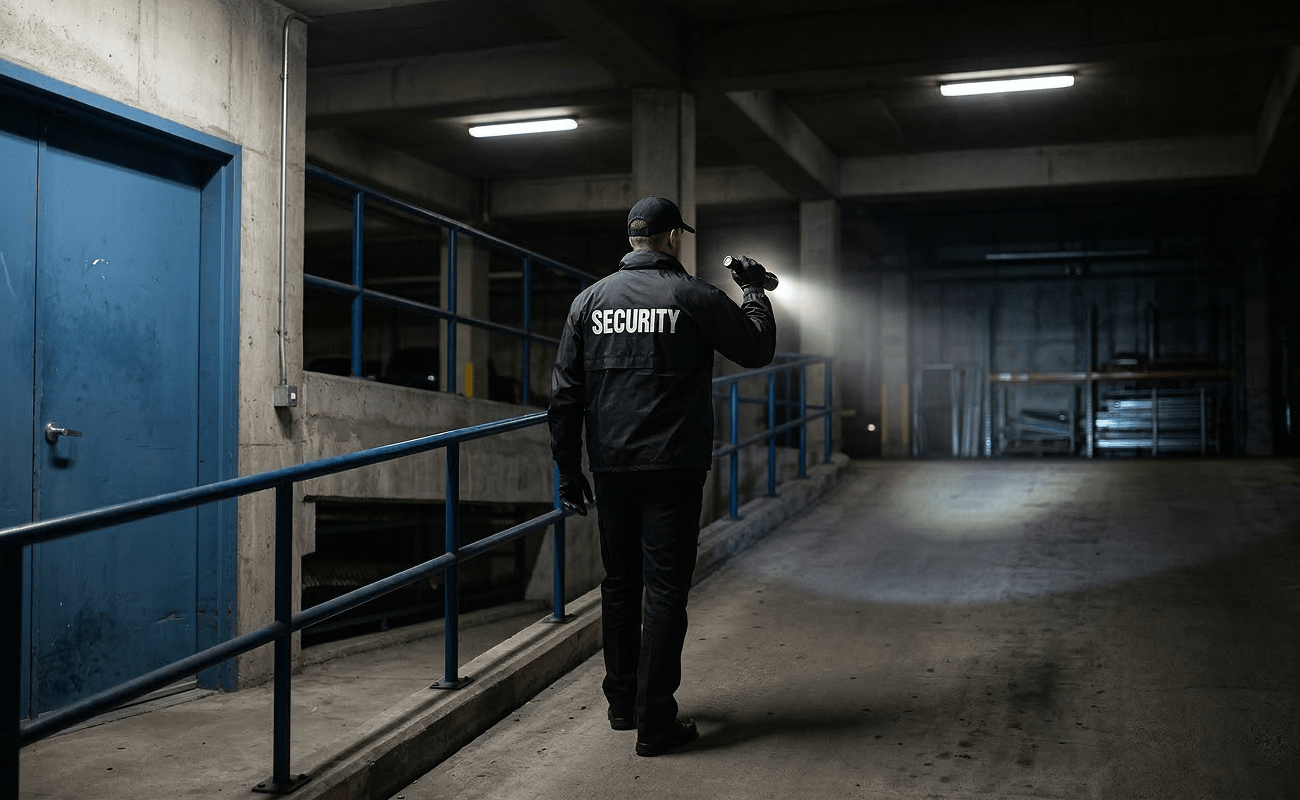
This course is the core starting point for anyone who wants security training courses in Detroit that feel relevant to real work. Training focuses on what a guard actually does on shift, including professional conduct, observation skills, documentation habits, and the practical boundaries that keep you compliant and employable. Michigan-specific rules and expectations matter in day-to-day decisions, which is why the course keeps the legal side connected to situations you can picture happening on a Detroit post. Students finish this course with a stronger understanding of how to show up prepared, communicate clearly, and protect people and property without creating unnecessary risk.
Security work puts you in situations where the right move is not always the loudest move, which makes ethics a career skill, not a buzzword. This course helps you think through decisions that affect safety, reputation, and liability, especially when you are dealing with conflict, confusion, or competing demands from staff and the public. Training emphasizes consistency and professionalism, since employers want guards they can trust to do the right thing when supervision is not standing nearby. Strong ethical instincts also make you more effective in Detroit environments where you may interact with diverse communities, busy crowds, and high-stakes settings.
A guard’s job depends on good judgment, and good judgment depends on seeing situations clearly rather than reacting on autopilot. Unconscious bias training helps you recognize how assumptions can shape perception, communication, and decision-making in ways that undermine safety. This course is especially valuable for Detroit posts where you may manage access control, monitor crowds, or respond to tense interactions that require calm, fair, and consistent choices. Employers notice guards who can keep standards steady while treating people with dignity, since that combination reduces conflict and improves outcomes.
Preparedness training is about building a response mindset before the moment arrives, since panic is not a plan and hesitation can cost time. Active shooter preparedness covers situational awareness, immediate actions, communication priorities, and the fundamentals of getting people to safety while coordinating with site leadership. Detroit employers increasingly expect security teams to understand emergency response roles, even when a guard is unarmed and focused on prevention, reporting, and guiding others. Training also supports career growth because preparedness skills translate well into higher-responsibility assignments across corporate, healthcare, hospitality, and event environments.

Starting a security career in Michigan usually begins with meeting baseline eligibility, then proving reliability through background screening and employer onboarding. Requirements can vary by employer and post, especially when a position is tied to sensitive locations or higher-risk duties. Most Detroit-area security jobs still share common expectations because employers need guards who can be trusted with access, observation, and incident reporting. Meeting these standards early helps you apply faster and reduces the risk of delays after a conditional offer.
Michigan regulates private security through state rules, and the licensing process often centers on the licensed security agency rather than putting every individual guard through a standalone state license path. That structure is one reason employers take training seriously, since training helps show that you are job-ready even before onboarding starts. Detroit students benefit from learning the rules and expectations up front because it keeps you aligned with what agencies and clients want to see when they hire. Training also supports smoother onboarding when an employer needs documents, background results, and proof that you understand your responsibilities.
Licensing, renewal, and fees can differ based on whether you are joining an agency as an employee or building your own security business. Many new guards start by working for a licensed agency, which handles the state-facing process while you focus on meeting employee requirements and completing training. Business owners and agency operators typically face a more formal state application process, plus periodic renewals, with fees that depend on the license type and renewal timing. Knowing the difference helps you choose the right career path and prevents confusion when you are comparing job offers in Detroit.

Detroit offers a wide range of security jobs because the city’s economy blends entertainment, hospitality, manufacturing, healthcare, and corporate activity. Casinos create steady demand for professional guards who can handle crowds, de-escalate issues, and document incidents clearly without escalating tension. Event venues and nightlife hotspots also rely on security teams, especially when traffic spikes on weekends or during major concerts, games, and festivals. Corporate offices, logistics facilities, and healthcare campuses add another layer of opportunity for guards who prefer structured environments with consistent procedures.
Pay in Detroit varies based on the post, the schedule, and the level of responsibility, which is why training can influence your options from the beginning. Many entry-level openings land in a range that sits roughly in the low-to-mid teens up through the low twenties per hour, while specialized roles, premium sites, and leadership tracks can push higher depending on the employer and shift structure. Overnight work, high-traffic posts, and assignments with stricter screening often pay more because reliability and composure matter more in those environments. Training helps you compete for those better placements because employers prefer guards who show professionalism, clear judgment, and readiness from day one.
Top Gun Security Academy is built for people who want to enter the security field without wasting time on vague training that does not translate to the job. Courses are structured to be clear, practical, and aligned with Michigan expectations, which matters when you are training for Detroit employers who want professionalism and consistency. Online access supports real life scheduling, since many students are balancing work, family, or a fast job search while trying to move into a new career. Training also stays focused on real-world decision-making, which helps you feel prepared when you step onto a post where the public expects calm competence.
Flexibility does not have to mean low standards, which is why the training approach stays organized and scenario-driven rather than generic. Guard work can include customer service moments, safety decisions, and documentation responsibilities, all happening inside the same shift, so the best training prepares you to switch gears without losing your professionalism. Employers notice when a guard communicates well, keeps boundaries clear, and stays steady under pressure, especially in Detroit locations where foot traffic and unpredictability come with the territory. Strong training becomes a career advantage because it supports promotions, better sites, and long-term credibility.
Choosing a training provider feels easier when you can preview the learning experience before you commit. A free demo course lets you see how the online classroom works, how lessons are delivered, and how the training stays focused on practical outcomes rather than filler. Detroit students often appreciate this option because it removes guesswork and makes it easier to choose a course path that fits their schedule. That first look also helps you feel confident that you are enrolling in training designed to help you get hired and perform well on the job.
Timelines depend on your training pace and your employer’s onboarding process, since background checks and internal hiring steps can take different amounts of time. Online training can move quickly when you set aside focused study time, which helps you avoid stretching the process out longer than necessary. Employers may require screening steps before final placement, which is why it helps to start training early while you apply for jobs. A steady plan usually creates the fastest results because training, applications, and onboarding can overlap instead of happening one at a time.
Online training is a strong option for Detroit students because it removes travel time and keeps progress in your control. Course access makes it easier to study on your schedule, whether you are training at home, between shifts, or on weekends. Michigan-focused course content still matters even when the learning is online, since local expectations shape what employers want you to know. Employers may still require in-person steps for screening or onboarding, but training can be completed online in a way that keeps you moving forward.
Pay depends on experience, assignment type, and schedule, which is why two guards can earn very different rates in the same city. Many Detroit roles fall into a range that commonly runs from the low teens up through the low twenties per hour, with certain specialized posts paying more based on responsibility and screening requirements. Overtime, shift differentials, and premium sites can raise earning potential, especially when you take on higher-visibility assignments. Training supports higher earnings indirectly because it helps you qualify for better placements and strengthens your credibility with supervisors.
Most employers care less about the format and more about whether training is practical, complete, and aligned with what the post demands. Online training works well when it is structured, Michigan-focused, and built around real scenarios, since that combination shows readiness rather than just attendance. In-person training may still be preferred for certain specialized roles, especially when an employer has site-specific procedures or additional requirements. Online coursework remains a strong fit for Detroit applicants who want speed, flexibility, and a training path that supports hiring.
A security career can move fast once you have the right training behind you, especially in a city like Detroit where employers hire across casinos, venues, offices, and major properties. Top Gun Security Academy makes it easier to take that first step with online courses built around Michigan expectations and designed to help you feel confidence on the job. Strong training helps you stand out in interviews, start work with better instincts, and build a reputation that leads to better opportunities. Enroll today with Top Gun Security Academy and get started with the best security training courses around Detroit!